Someone Is Inside Your House: A Calm Safety Plan for Arizona Families
Nobody wants to picture it, but a plan you have talked through once is far easier to follow under stress. Here is a straightforward approach for Arizona households.
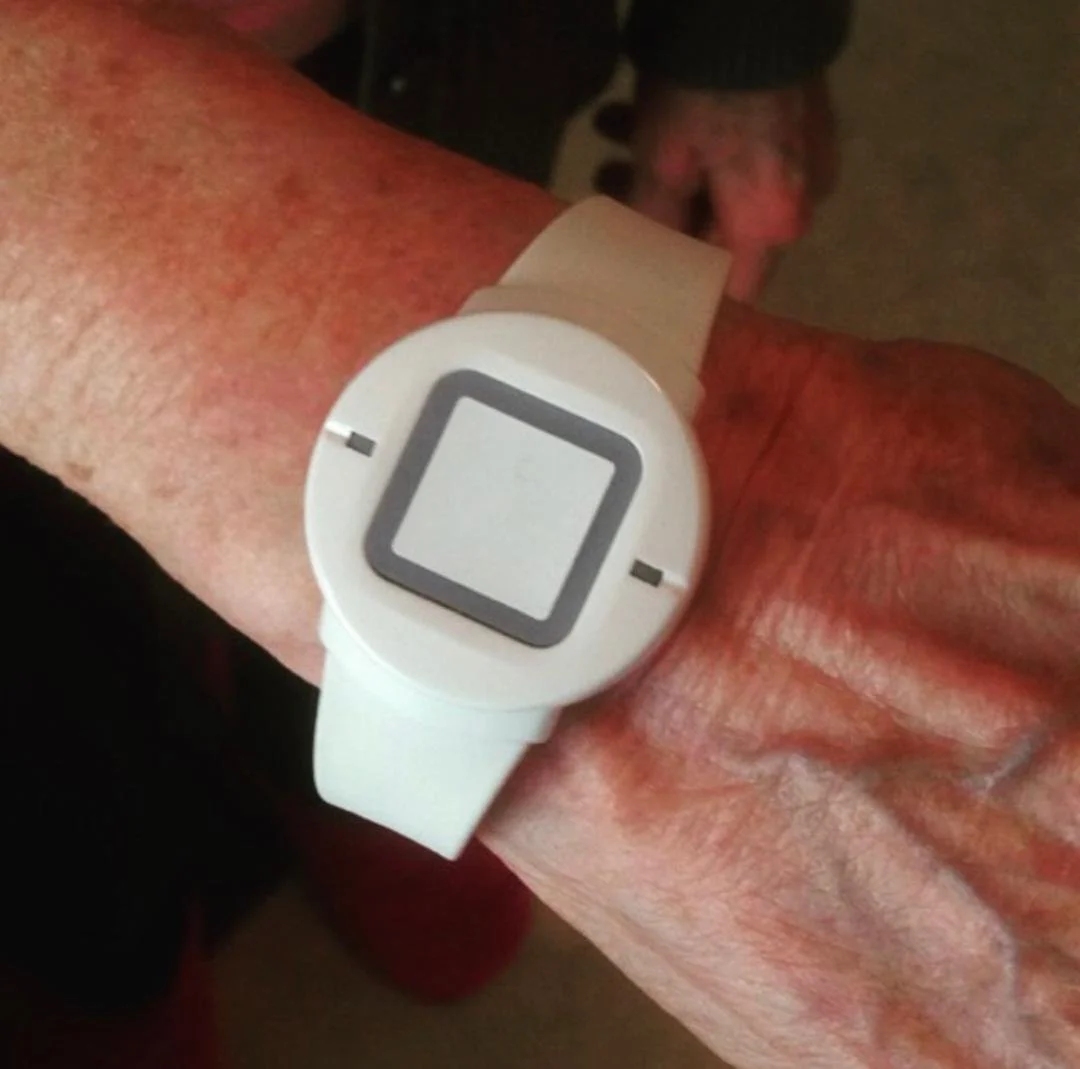
Read articleA medical alert pendant puts help one button press away. Here is how these systems work, who they help most and what to ask before choosing one for yourself or a parent.
Arizona is home to many older adults who want to keep living independently, whether in a longtime family home, a smaller place closer to the grandkids or one of the state's many active-adult communities. Independence is worth protecting, and part of protecting it is having a simple way to get help if something goes wrong when no one else is around.
That is what a medical alert system is for. This guide explains how these systems work, when they matter most and what questions to ask before choosing one.
Approximately 36 million falls are reported among older adults in the U.S. each year, according to the Centers for Disease Control and Prevention. A fall does not have to cause a serious injury to become dangerous. Someone who cannot get up and cannot reach a phone may wait a long time before anyone notices.
A medical alert pendant shortens that wait. Instead of hoping a phone is within reach, the person simply presses a button they are already wearing.
Medical alert systems are designed to be simple, because they need to work during a stressful moment.
Because the plan is set up in advance, the user does not have to remember phone numbers or explain where they live while they are hurt or frightened. You can learn more on our medical alert page.
Bathrooms are a common place for slips. Wet tile, getting in and out of the tub and the step over a shower ledge all create risk, and the bathroom is also where people are least likely to have a phone nearby. Many people take their pendant off before showering, which leaves them without help in one of the places they might need it most.
If you are choosing a pendant, ask whether it is designed to be worn in the shower, and make a habit of keeping it on. Pairing a pendant with grab bars, non-slip mats and good lighting makes the bathroom much safer.
Arizona summers deserve special attention for older adults. Heat-related illness can come on quickly, and some people do not feel thirst or overheating as strongly as they age. Certain medications can also affect how the body handles heat.
A smart thermostat that family members can check from their own phones can also help. Our home automation page explains how remote temperature control works.
Choosing a medical alert system is a personal decision, and it helps to talk it through with someone who will listen. Adapt Home offers medical alert pendants and can also add monitored smoke and carbon monoxide detectors for added peace of mind at home. Get a free quote or call (833) 902-5036 to schedule a free consultation for yourself or a loved one.
Talk with a local Adapt Home specialist. The consultation is free.
The user presses a button on a pendant worn around the neck or wrist and is connected to a representative at a monitoring center. The representative follows the emergency plan the user chose in advance, such as calling emergency medical services, a neighbor or a family member.
If the pendant is designed for it, yes. Bathrooms are a common place for slips, and they are also where people are least likely to have a phone within reach.
Approximately 36 million falls are reported among older adults in the U.S. each year, according to the Centers for Disease Control and Prevention.
Ask whether the pendant is comfortable and shower-safe, how it connects, what its range is, who answers the call, how the emergency plan is set up and who will help with installation and questions locally.
Learn more
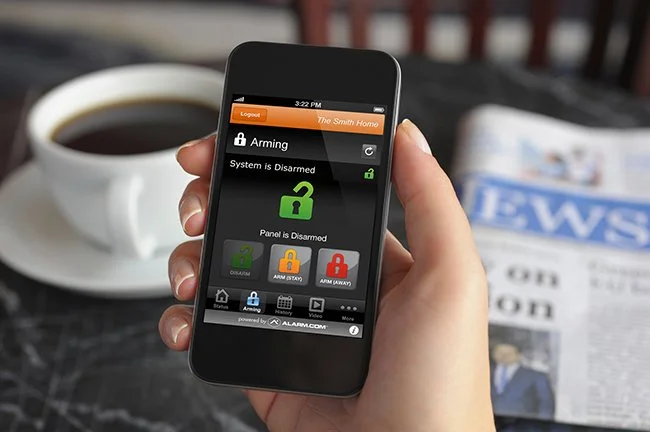
Nobody wants to picture it, but a plan you have talked through once is far easier to follow under stress. Here is a straightforward approach for Arizona households.
Read article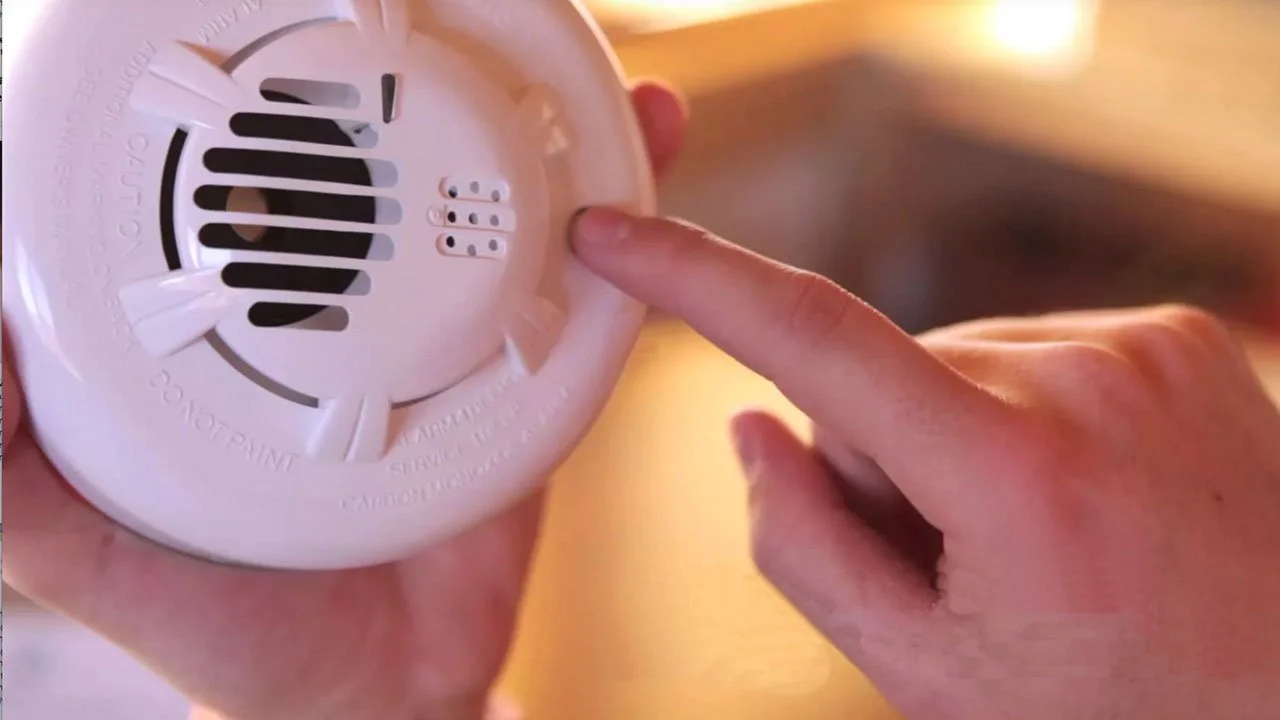
Standard smoke and carbon monoxide alarms are essential, but they depend on someone being home to hear them. Monitoring closes that gap for your family, your pets and your house.
Read article
Backyard pools are part of Arizona life. Door sensors, cameras and high latches can tell you when someone heads outside, but they work alongside barriers and supervision, never in place of them.
Read articleFree consultation
Interested in protecting your home or business? Request a quote and one of our security specialists will reach out to see how we can customize a security system that works for you.
(833) 902-5036Tell us a little about your home or business. It takes about a minute.
Request a quote Call (833) 902-5036