
Someone Is Inside Your House: A Calm Safety Plan for Arizona Families
Nobody wants to picture it, but a plan you have talked through once is far easier to follow under stress. Here is a straightforward approach for Arizona households.
Read articleStandard smoke and carbon monoxide alarms are essential, but they depend on someone being home to hear them. Monitoring closes that gap for your family, your pets and your house.
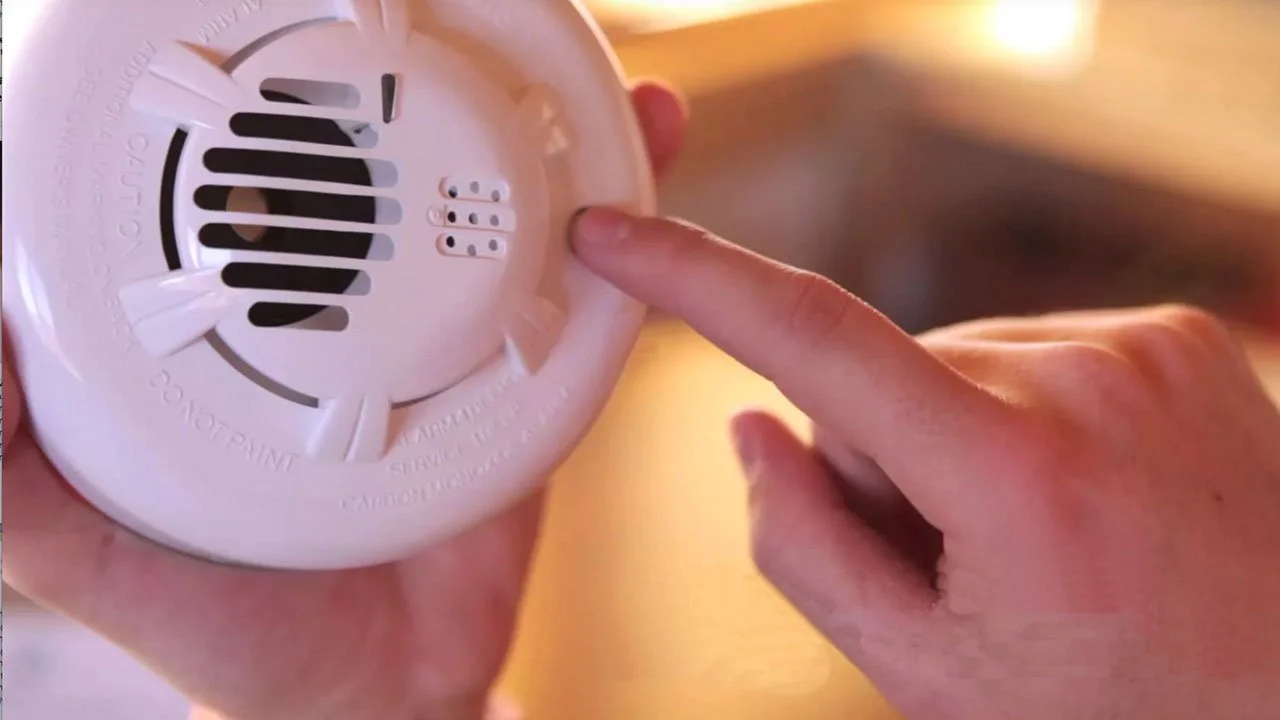
Almost every home has smoke alarms, and many have carbon monoxide alarms too. They are among the most important safety devices you can own. But a standard alarm has one big limitation: it can only warn the people who are close enough to hear it. If a fire starts or carbon monoxide builds up while you are at work, out to dinner or away for the weekend, the alarm may sound in an empty house.
Monitored detectors solve that problem by connecting your smoke and CO alarms to a monitoring center. Here is how they work and what every Arizona homeowner should know about smoke and carbon monoxide safety.
A standalone smoke or CO alarm is a noisemaker. That is exactly what you want when you are home and asleep, because the sound wakes you up so you can get out. When no one is there to hear it, though, nothing else happens.
Monitored smoke and carbon monoxide detectors are connected to your security system. When one detects smoke, heat or carbon monoxide, it sounds an alarm in the home and sends a signal through your system to a professional monitoring center.
Systems with a cellular connection can send that signal even if your home internet is down. You can learn more about our monitored fire and carbon monoxide detectors and how they fit into a complete home security system.
Carbon monoxide is a colorless, odorless gas produced when fuel burns. You cannot see it or smell it, which is why a working CO alarm matters. Common sources in Arizona homes include:
Having fuel-burning appliances inspected and serviced regularly is one of the best ways to prevent a CO problem in the first place.
Always follow the manufacturer's instructions and your local code when installing smoke and CO alarms, since requirements can vary. Some commonly given guidance:
Smoke and CO alarms do not last forever. According to the National Fire Protection Association, smoke alarms should be replaced at least every 10 years. Carbon monoxide alarms have their own end-of-life date set by the manufacturer, and many will chirp or display a warning when they reach it.
Monitored detectors are a simple upgrade that extends your protection beyond the walls of your home. They are also a good fit alongside a medical alert pendant for older family members who live alone. Adapt Home installs monitored smoke and carbon monoxide detectors for homeowners across the state, including Glendale and the West Valley. Get a free quote or call (833) 902-5036 to schedule a free consultation.
Talk with a local Adapt Home specialist. The consultation is free.
An unmonitored smoke detector only sounds an alarm inside the home. A monitored detector also sends a signal to a monitoring center, which contacts you and the authorities as needed, even when no one is home.
The National Fire Protection Association recommends replacing smoke alarms at least every 10 years. Check the manufacture date on the back of each alarm.
Follow the manufacturer's instructions and local code. Commonly given guidance is to place CO alarms outside each sleeping area and on every level of the home.
Gas furnaces, water heaters, gas ranges, fireplaces, cars running in attached garages and portable generators used too close to the house are common sources.
Learn more
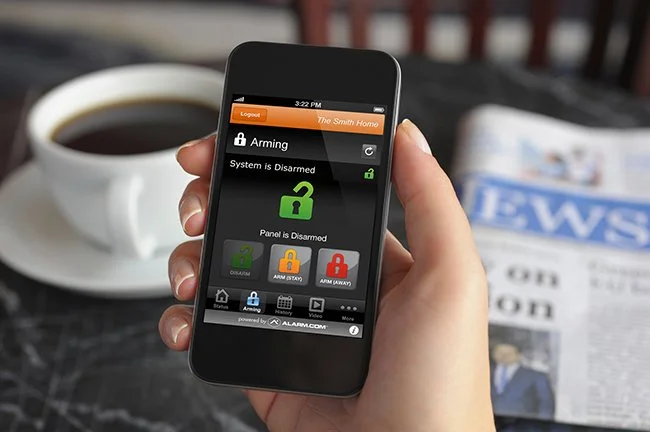
Nobody wants to picture it, but a plan you have talked through once is far easier to follow under stress. Here is a straightforward approach for Arizona households.
Read article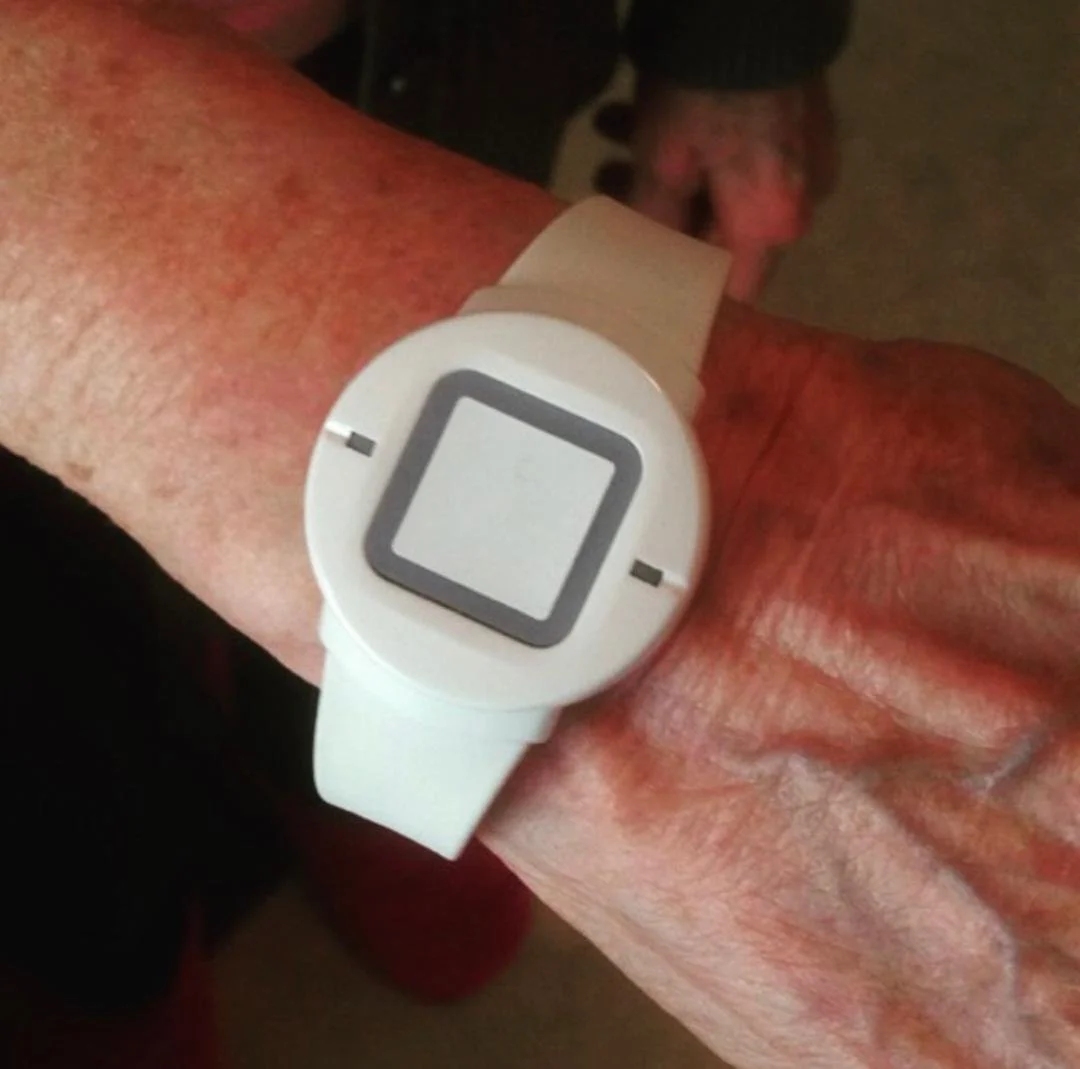
A medical alert pendant puts help one button press away. Here is how these systems work, who they help most and what to ask before choosing one for yourself or a parent.
Read article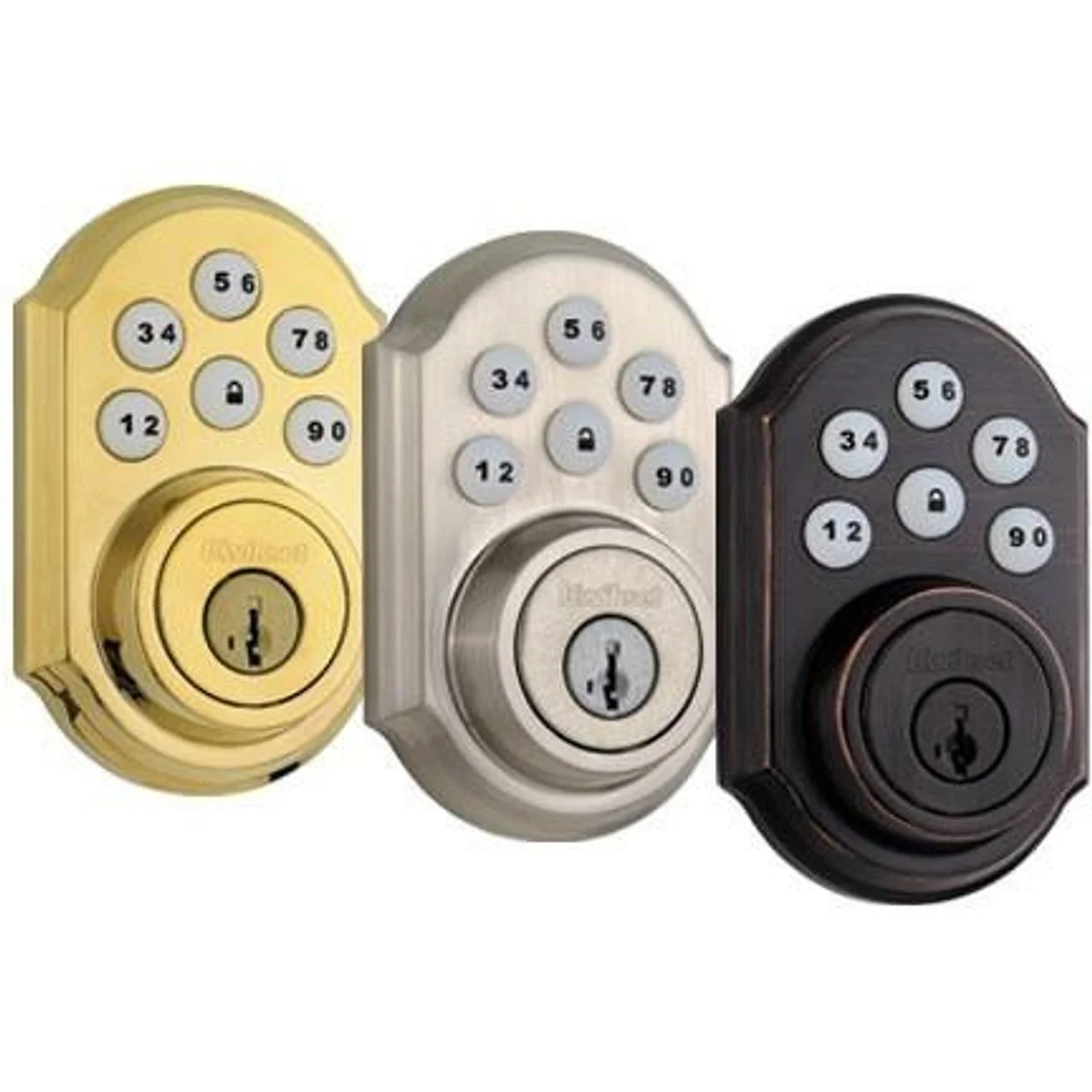
Backyard pools are part of Arizona life. Door sensors, cameras and high latches can tell you when someone heads outside, but they work alongside barriers and supervision, never in place of them.
Read articleFree consultation
Interested in protecting your home or business? Request a quote and one of our security specialists will reach out to see how we can customize a security system that works for you.
(833) 902-5036Tell us a little about your home or business. It takes about a minute.
Request a quote Call (833) 902-5036