Someone Is Inside Your House: A Calm Safety Plan for Arizona Families
Nobody wants to picture it, but a plan you have talked through once is far easier to follow under stress. Here is a straightforward approach for Arizona households.
By the Adapt Home team · · 6 min read
Most home security advice is about keeping people out. That matters, and we will cover it below. But very little is written about the harder question: what should you actually do if you hear someone inside while you and your family are home?
The honest answer is that your belongings do not matter in that moment. Your goal is to get everyone to safety, get help on the way and avoid a confrontation. A plan you have discussed in advance makes all three easier.
Key point: If someone is in your home right now, stop reading and call 911.
Make a Plan Before You Ever Need It
A ten-minute family conversation is one of the most useful security steps you can take, and it costs nothing.
Pick a safe room. Choose a room with a solid door that locks, ideally where most of the family sleeps. In many single-story Arizona homes, the primary bedroom with an attached bathroom works well because it adds a second door between you and the rest of the house.
Keep a phone there overnight. Charge a phone on the nightstand rather than in the kitchen, so you can call for help without leaving the room.
Agree on who gathers whom. If children sleep in another wing, decide in advance which adult goes to get them and which route is safest.
Know your address and cross street. In newer subdivisions with similar street names, be ready to give dispatch your full address, community name and nearest major road.
Talk to older kids calmly. They should know to stay quiet, stay put and call 911 if they are alone.
In the Moment: Steps to Follow
If you hear glass break, a door forced or footsteps that should not be there, follow these steps in order:
Move to your safe room and lock the door. Bring anyone nearby with you. Do not go investigate the noise.
Call 911. Even if your alarm is already sounding, a direct call gives dispatchers real-time information, such as how many people are home and where you are. Stay on the line if you can.
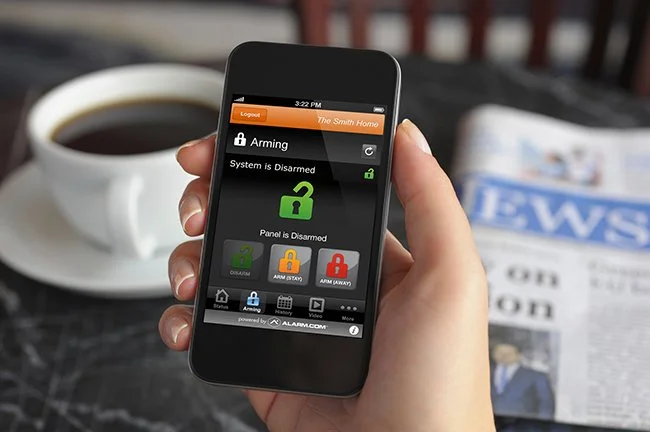
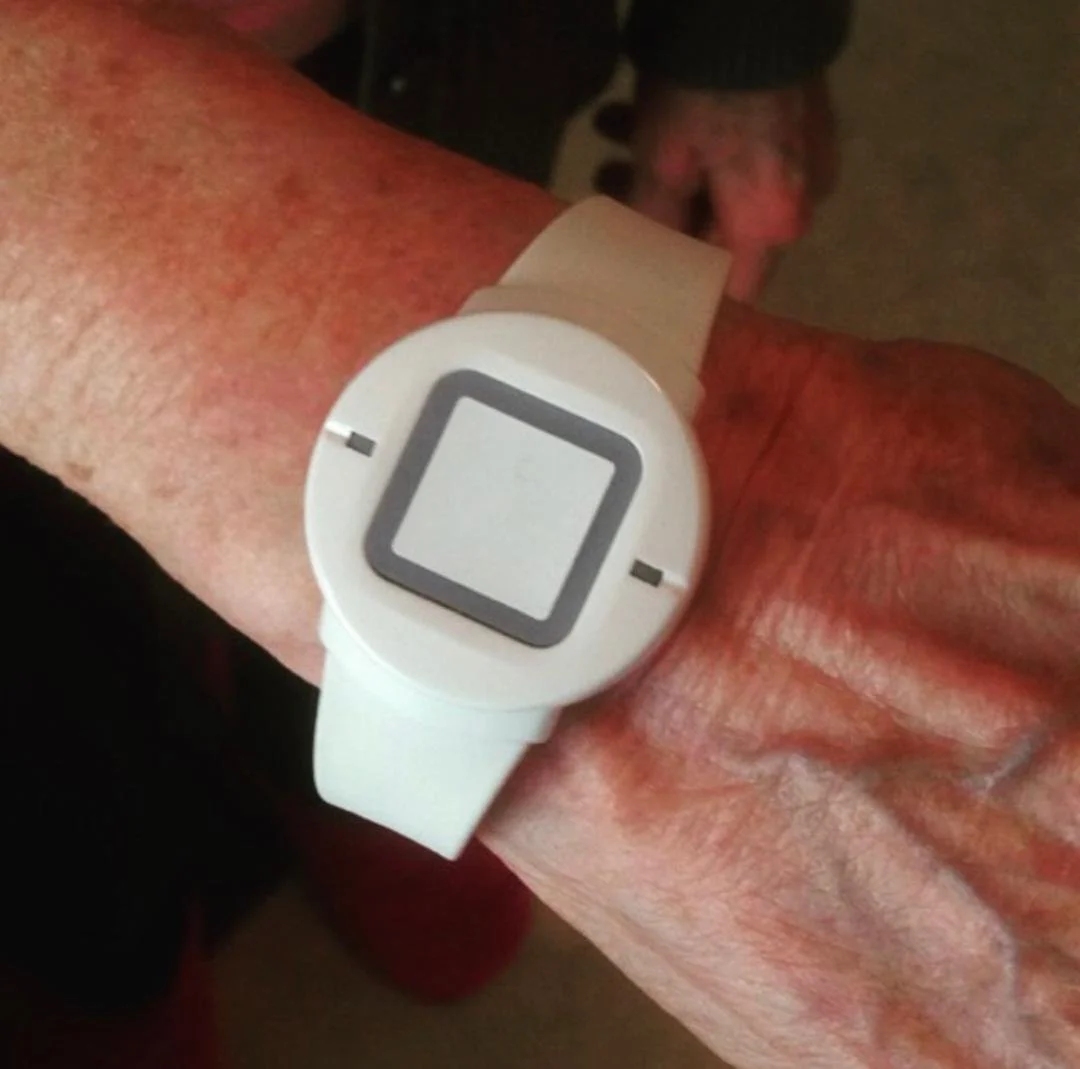
Use your system's panic feature if you have one. Many monitored alarm systems include a panic button on the keypad, a key fob or the app that sends an emergency signal without you needing to speak.
Stay quiet and out of sight. Silence your phone's ringer, keep the lights off and wait for police.
Do not confront the intruder. Possessions can be replaced. If you do come face to face with someone, focus on staying safe and let them leave. Arguing over property only raises the risk.
How a Monitored System Helps
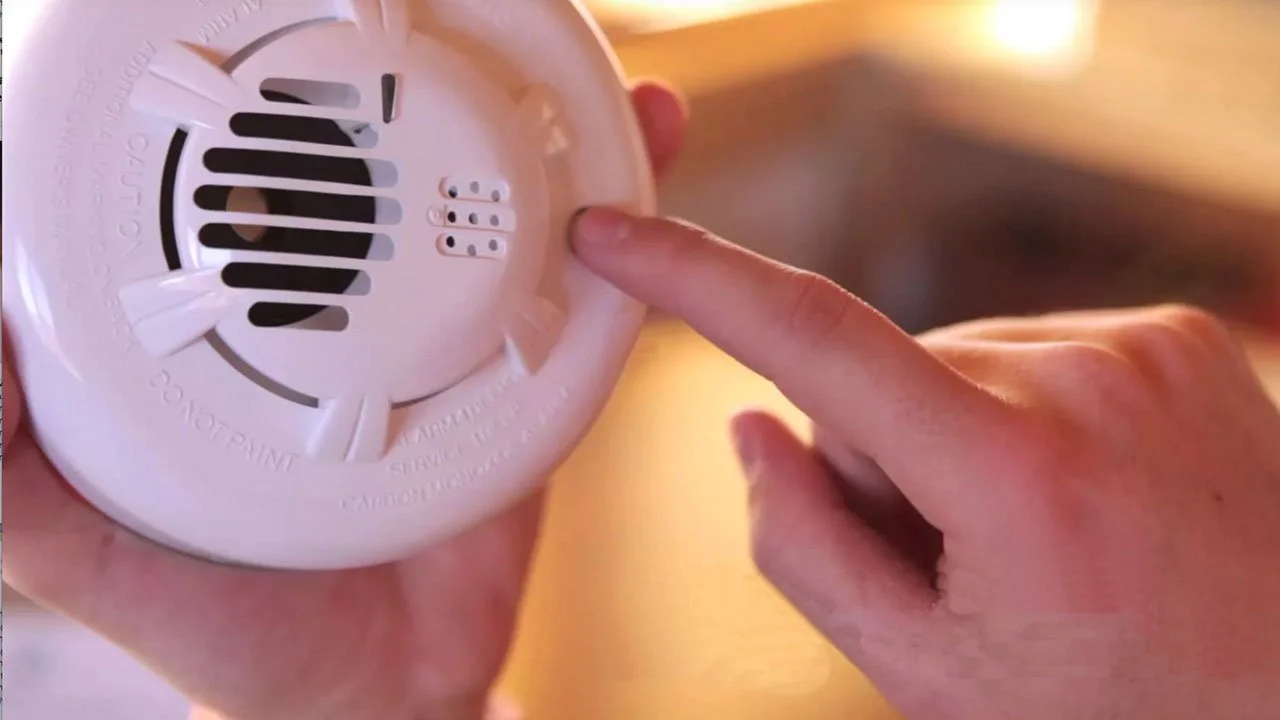
An alarm that only makes noise relies on someone hearing it and choosing to act. A professionally monitored system is different. When an intrusion sensor trips, the signal goes to a monitoring center that contacts you and, if needed, the authorities. That means help can be on the way even while you are focused on getting your family into one room.
A few features make a real difference in this situation:
Cellular communication so the alarm can reach the monitoring center even if internet or power is out, which matters during a monsoon evening.
App control so you can see which door or window was opened and check cameras from your locked room.
Indoor and outdoor cameras that record clips you can share with police later.
Smart lighting that can turn on exterior lights from your phone without you walking through the house.
Our home security systems combine these pieces in a design built around your floor plan.
After the Intruder Is Gone
Even if you heard someone leave, wait for officers to clear the house before you walk through it. You cannot be sure the home is empty, and police will want the scene undisturbed.
Once you have the all-clear:
Save any camera clips right away and download copies, since older footage may be overwritten.
Photograph damage and make a list of missing items for the police report and your insurer.
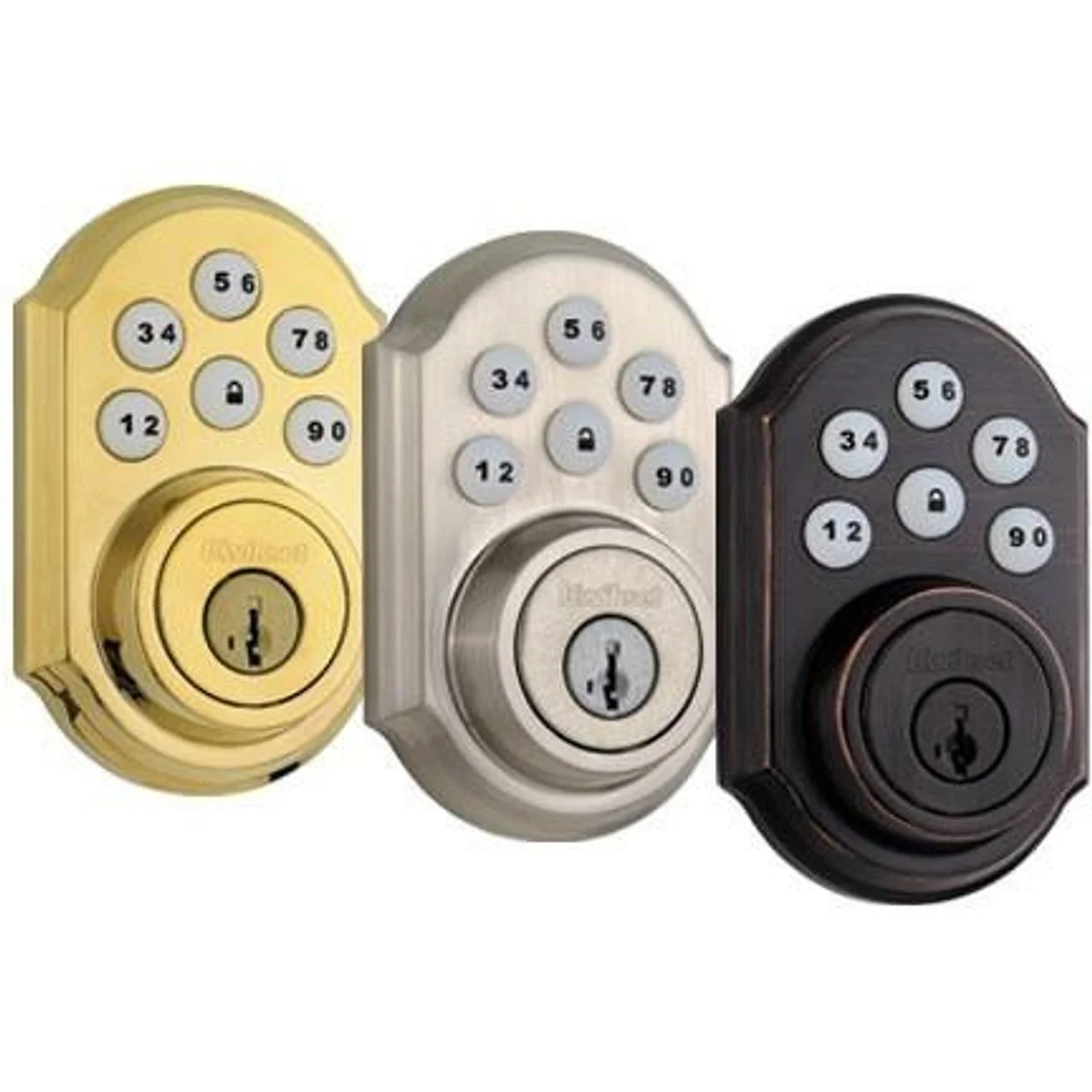
Change alarm codes, app passwords and smart lock codes if there is any chance they were seen.
Repair damaged doors, frames and slider tracks before relying on them again.
It is also normal to feel uneasy in your own home for a while afterward. Sleeping poorly or jumping at sounds is a common reaction, not an overreaction. Talking with family, friends or a counselor can help.
Lowering the Odds in the First Place
Many break-ins are opportunistic, which means making your home look like a harder target pays off. In Arizona, that often comes down to a few local habits:
Lock the side gate. Block walls and side yards give cover once someone is past the gate.
Close the garage. It is tempting to leave it open on hot evenings, but an open garage invites someone in, and the door into the house is often left unlocked.
Secure sliding doors. Patio and pool sliders deserve sensors and a secondary lock or bar.
Light the approach. Motion-activated lights at entries and along the side yard remove easy shadows.
Make protection visible. A yard sign, window decals and outdoor cameras signal that the home is watched.
If you travel for part of the year, our guide to home security for snowbirds covers protecting a home that sits empty.
Talk Through Your Home With a Specialist
Adapt Home designs customized systems for families across Arizona, with local technicians who know how Valley and Southern Arizona homes are built. If you want to feel more prepared, get a free quote or call (833) 902-5036 for a free consultation.
Questions about your home?
Talk with a local Adapt Home specialist. The consultation is free.
What is the first thing to do if I hear someone breaking in?
Get yourself and anyone nearby into a room that locks, then call 911. Do not go looking for the source of the noise.
Should I still call 911 if my monitored alarm is going off?
Yes. The monitoring center will respond to the alarm, but your own call gives dispatchers live details about who is home and where you are hiding.
What is a panic button on an alarm system?
Many monitored systems offer a panic function on the keypad, a key fob or the app. It sends an emergency signal to the monitoring center without you having to speak. Ask your provider whether your system has one.
When is it safe to go back into the house after a break-in?
Wait until police have checked the home and told you it is clear. Then save camera footage, document damage and change any codes or passwords that may have been exposed.
Interested in protecting your home or business? Request a quote and one of our security specialists will reach out to see how we can customize a security system that works for you.