Just Got the Keys? A Security Checklist for Your New Arizona Home
The first few weeks in a new house are when you know the least about it. Here is what to lock down on day one, during your first week, and once the boxes are gone.
By the Adapt Home team · · 6 min read
Closing day usually arrives with a stack of signed paperwork, a garage door remote or two, and a ring of keys that may or may not open every door. In the rush to empty the moving truck before the afternoon heat sets in, security tends to slide to the bottom of the to-do list. That is understandable, but your first weeks in a new house are when you know the least about it, and when the fewest people around you recognize your car or your routine.
This checklist is organized by timing: what to handle on day one, what to sort out during the first week, and what to plan once you have settled in. It works for resale homes and brand-new builds alike.
Day One: Take Back Control of Every Way In
There is no way to know how many copies of the old keys are floating around. Sellers, past renters, cleaners, pool techs, landscapers and builder crews may all have had access at some point. Most of them are honest, but you should not have to count on that.
Rekey or replace exterior locks. Include the front door, the patio door and the door between the garage and the house, which is the one people forget.
Reset the garage door opener. Clear every programmed remote and change the outside keypad code. In much of the Valley the garage is the real front door, so treat it that way.
Lock the side gates. Many Arizona homes sit inside block walls with one or two side gates. A padlock or self-latching lock keeps the backyard from being open to anyone strolling down the side of the house.
Secure sliding doors. A bar in the track or a pin lock on a patio slider costs little and adds real resistance.
The First Week: Clear Out the Last Owner's Technology
Resale homes often come with a doorbell camera, a smart lock, a connected thermostat or an alarm keypad still mounted on the wall. Some of those devices may remain linked to the seller's account, which means someone else could, in theory, watch your front step or change your lock codes. Factory-reset anything smart and set it up under your own login. If there is an alarm system, find out whether it is still monitored and by whom before you rely on it. Our guide to moving into a home with an existing alarm covers the questions to ask.
New construction has its own wrinkle. Builder crews, subcontractors and sometimes the sales office may have used the garage code and lockbox for months. Change all of it the week you close.
Why Those First Weeks Deserve Extra Attention
Right after a move, the signals around a house are unusual. A truck sits in the driveway for hours. Flattened boxes for a new TV or laptop go out with bulk trash. You come and go at odd times, and your neighbors have not yet learned which vehicles belong to you. None of this means trouble is on the way, but it does mean the informal neighborhood watch is not working in your favor yet.
A few habits help. Break down boxes and put them inside the bin rather than beside it. Introduce yourself to the households on either side and across the street. If your community has an HOA newsletter or neighborhood group, join it so you hear about anything unusual.
Design Protection Around the House You Actually Bought
Every property has its own weak spots, and they are easier to see with fresh eyes. A walk-through, ideally with a security specialist, usually turns up a few of these:
A back corner of the yard that goes completely dark after sunset
A ground-floor window tucked behind oleanders or a block wall
A side gate the street cannot see
An RV gate, or a detached casita with its own entry
A pool area that needs door or gate alarms for child safety
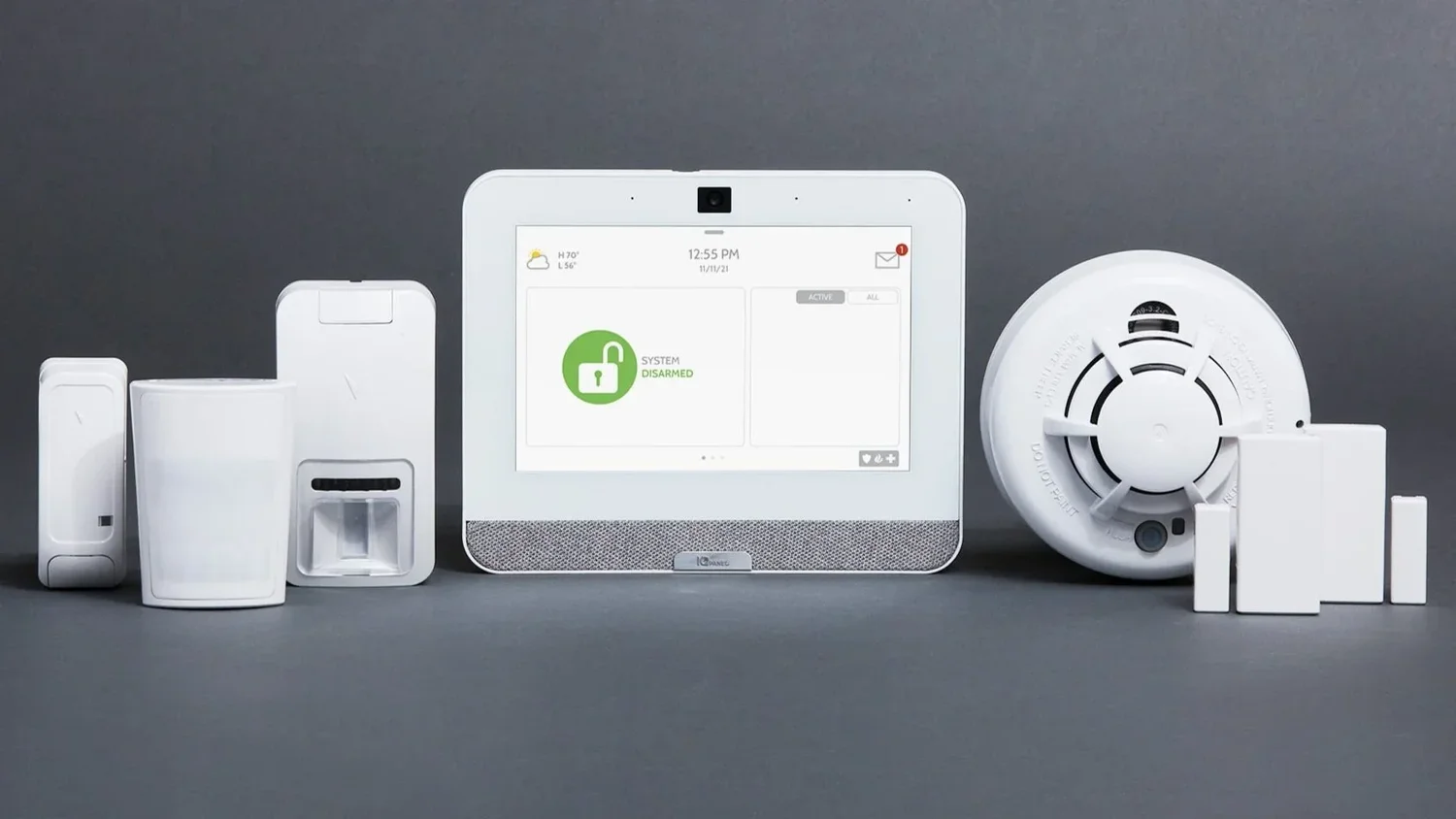
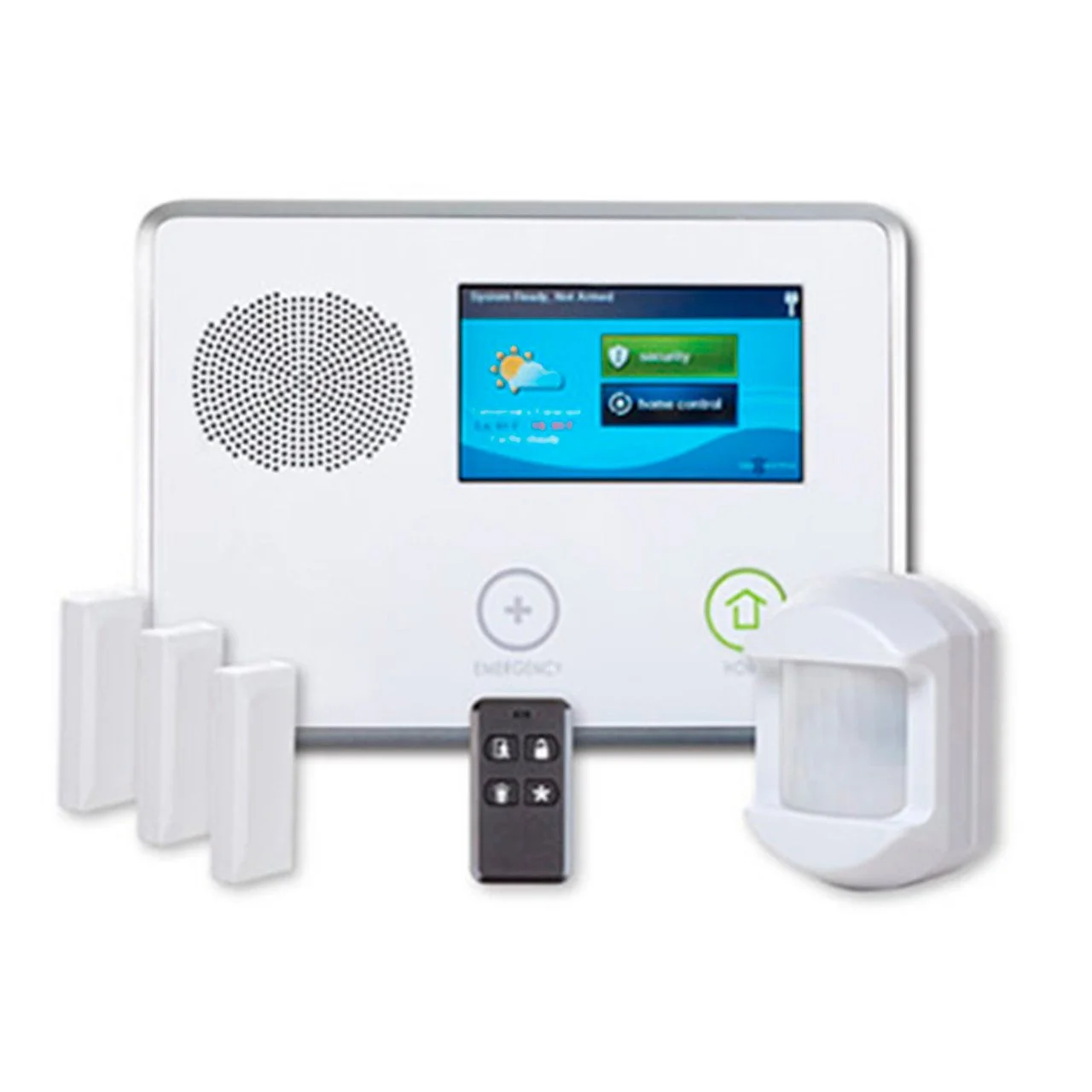
A monitored home security system addresses these with door and window sensors, motion detectors, a hub or keypad and an audible alarm. A cellular connection keeps it talking to the monitoring center when a monsoon storm takes down your internet. Outdoor and doorbell security cameras add a visible deterrent and let you see deliveries, contractors and visitors from your phone during those hectic first weeks.
Key point: New locks are the first layer. Sensors, monitoring and cameras are what tell you, and someone who can help, when that first layer gets tested.
Look Past Break-Ins
A new house means smoke alarms you did not install and whose age you do not know. Check the manufacture date printed on the back of each one; the common guidance is to replace smoke alarms about ten years after that date. If the home has gas appliances, a fireplace or an attached garage, carbon monoxide detection belongs on the list as well. Monitored smoke and CO detectors alert a monitoring center even when nobody is home to hear them.
While you are at it, find the main water shutoff, the electrical panel and the gas valve. Locating them now beats hunting for them during a leak or an outage.
Your Move-In Security Checklist
Rekey exterior locks, including the garage entry door.
Reset garage remotes and the exterior keypad code.
Lock side gates and reinforce sliding doors.
Factory-reset any smart devices left behind and confirm the status of an existing alarm.
Check smoke alarm dates and add CO detection where it is needed.
Walk the property after dark to spot shadowy corners and hidden entry points.
Book a consultation to plan alarm and camera coverage for the layout.
Ask your insurance agent whether a monitored system affects your premium.
On that last item, many insurers offer some form of credit for monitored systems, though the details vary by company and policy, so it is worth a quick call.
Adapt Home is proudly Arizona-based, with local technicians who know the neighborhoods, the HOA communities and the way homes are built here. A security specialist will walk through your new place with you and put together a customized system rather than a generic package. When you are ready, get a free quote or call (833) 902-5036.
Questions about your home?
Talk with a local Adapt Home specialist. The consultation is free.
When should I set up security in a home I just bought?
As early as you can, ideally before or during your first week. Rekey the locks and reset garage codes on day one, then plan sensors, monitoring and cameras once you have walked the property and know where its weak spots are.
Do I need to rekey the locks on a brand-new build?
It is a good idea. Builder crews, subcontractors and sales staff may have had keys, lockbox access or the garage code during construction. Rekeying and changing codes after closing ensures only your household has access.
What should I do with smart devices the previous owner left behind?
Factory-reset doorbells, cameras, smart locks and thermostats, then set them up under your own accounts. If an alarm panel stayed with the house, confirm whether it is still monitored and by whom before relying on it.
Which areas of an Arizona home are most often overlooked?
Side gates in block walls, the door between the garage and the house, patio sliders, RV gates, casitas and ground-floor windows hidden by landscaping. A walk-through after dark makes these easier to spot.
Interested in protecting your home or business? Request a quote and one of our security specialists will reach out to see how we can customize a security system that works for you.