Questions to Ask Any Alarm Company Before You Sign
A security system is a long-term relationship. These questions help you compare options clearly, understand what you are agreeing to and choose with confidence.
By the Adapt Home team · · 7 min read
Choosing a home security company is not like buying a gadget off the shelf. You are deciding who will watch over your home, who will respond when an alarm goes off and who you will call when something needs attention. That makes it worth slowing down and asking good questions, whether you are talking with someone at your front door, on the phone or at your kitchen table.
Use the questions below with any company you are considering. A good provider will be glad to answer every one of them clearly, and in writing.
Monitoring and Communication
The heart of a monitored system is what happens after an alarm goes off.
Who monitors my system? Ask whether the company runs its own monitoring center or works with a separate monitoring company, and how the monitoring center contacts you and the authorities.
How does my system communicate? Ask whether alarm signals travel over a cellular connection, your home internet or both. A cellular connection can keep sending signals if your power or internet goes out, which matters during Arizona's monsoon season. Our monsoon season guide explains why.
What happens during a false alarm? Ask how to cancel one, and whether your city has any alarm permit or false alarm rules you should know about.
Equipment
Do I own the equipment or lease it? This affects what happens if you cancel or move, and whether you can keep using the equipment later.
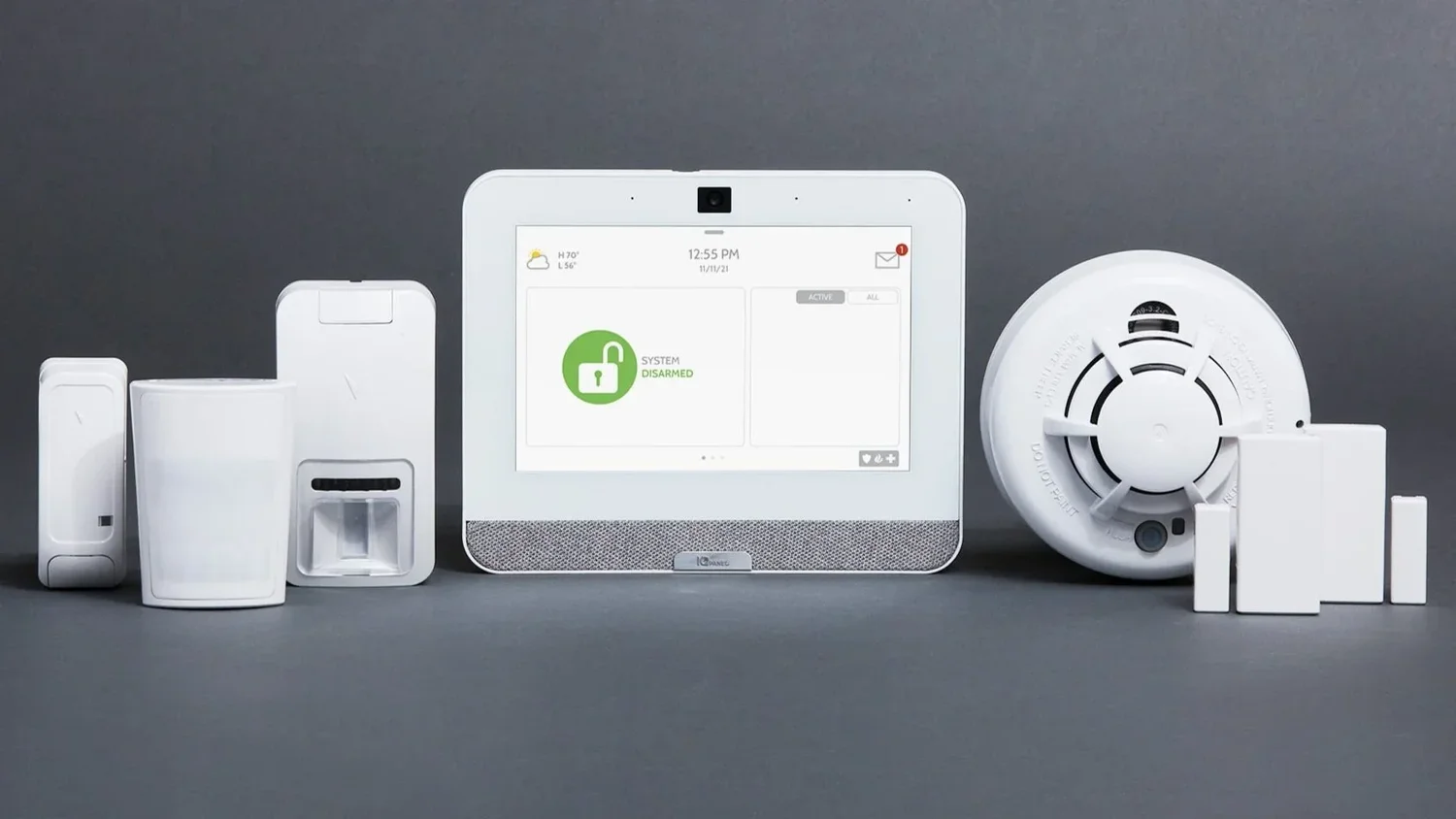
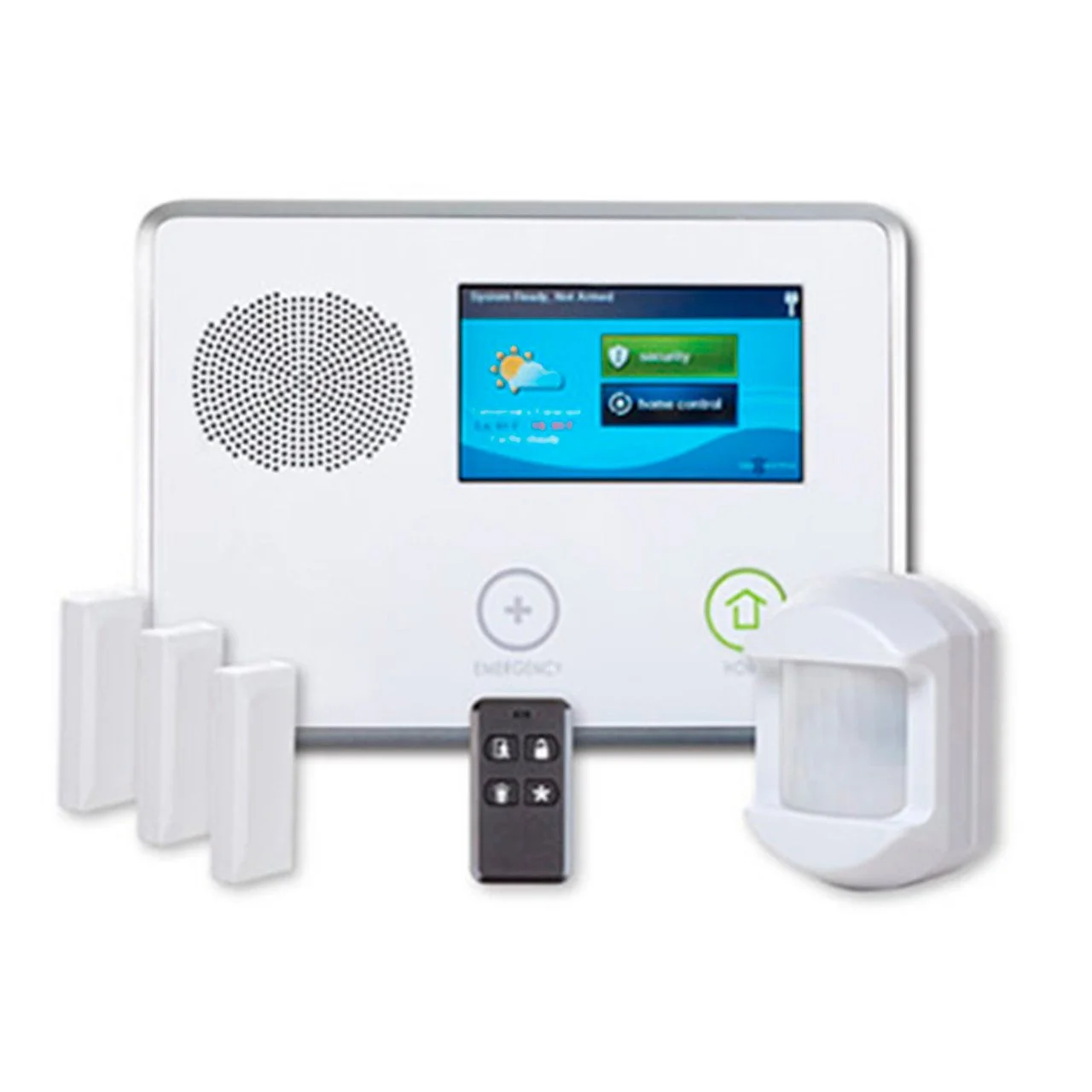
What exactly is included? Ask for a written list of every sensor, camera, detector and device, and where each one will go.
Is the system customized to my home? A good system is designed around your layout, entry points and lifestyle rather than a one-size-fits-all package.
What is covered if equipment fails? Ask how warranty or replacement works and who pays for a service visit.
Key point: Get everything in writing. Equipment lists, monthly costs, contract length and cancellation terms should all be spelled out before you sign.
Contract Terms
Contracts are normal in the security industry, and many customers are happy with them. What matters is that you understand the terms before you commit.
How long is the agreement? Ask for the exact term in months.
What are the cancellation terms? Find out what you would owe if you cancel early and how to give notice.
Does it renew automatically? Ask whether the agreement renews at the end of the term and how to stop it if you choose.
Can the monthly price change? Ask whether rates can increase during the agreement.
What happens if I move? Ask whether the service can move with you, whether there is a fee, and what happens to the equipment and the contract if you sell your home.
Your Right to Cancel Certain In-Home Sales
Many Arizona homeowners first learn about security systems from a representative who visits their home. That can be a convenient way to see equipment in person and get a system designed on the spot. It also helps to know about a federal consumer protection that applies to many of these sales.
The Federal Trade Commission's Cooling-Off Rule generally gives you until midnight of the third business day after the sale to cancel many sales of $25 or more made at your home. There are exceptions and specific requirements, so read the details on the FTC's website. A reputable company will explain your cancellation rights and include the required cancellation information with your paperwork.
Local Service and Support
Who services the system locally? Ask whether technicians are based in your area and how service visits are scheduled.
Who do I call with a question? Find out how to reach support and whether you will work with a consistent point of contact.
Who installs it? Ask who will do the installation and whether they will walk you through the system and the app before they leave.
App Features and Fees
Most systems today are managed from your phone, so the app matters.
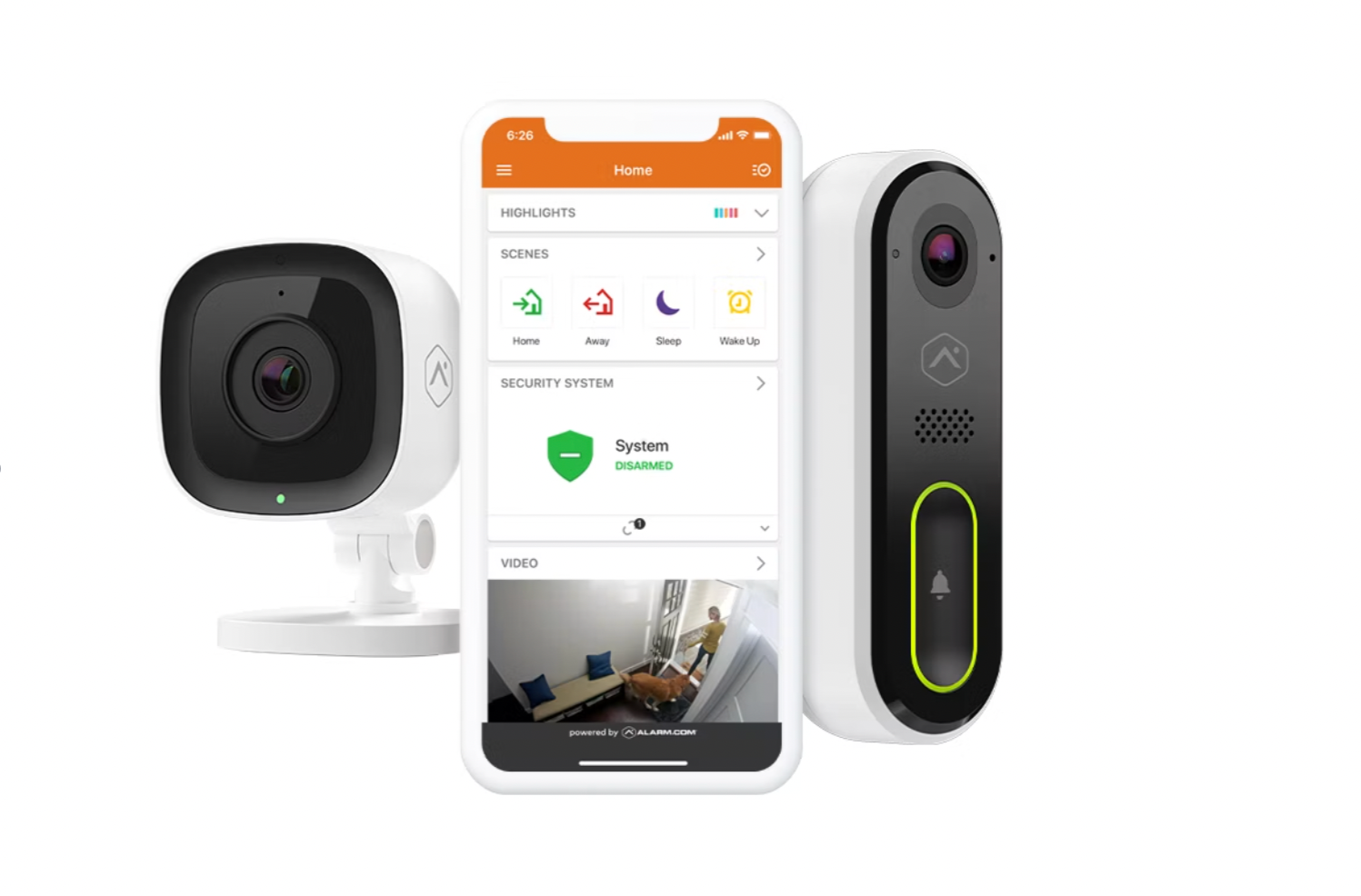
What can I do from the app? Ask whether you can arm and disarm, view cameras, get alerts, use two-way voice through a doorbell, and control smart locks, lights and thermostats.
Is video stored, and for how long? Ask how motion-triggered clips are saved and whether that costs extra.
Can I add more later? Ask whether you can add cameras, home automation, a medical alert pendant or monitored smoke and carbon monoxide detectors as your needs change.
What fees might I see? Ask about activation fees, installation charges, service call fees, relocation fees and any equipment charges, in addition to the monthly rate.
A trustworthy company will answer these questions directly, put the answers in writing and give you time to decide. If something is unclear, ask again until it makes sense.
What should I ask an alarm company before signing?
Ask who monitors the system, whether it uses a cellular connection, whether you own or lease the equipment, how long the contract is, what cancellation and moving terms apply, who services it locally and what fees you may be charged.
What is the FTC Cooling-Off Rule?
The Federal Trade Commission's Cooling-Off Rule generally gives you until midnight of the third business day after the sale to cancel many sales of $25 or more made at your home. There are exceptions, so check the details on the FTC website.
Is a cellular alarm system better than an internet-only system?
A cellular connection can keep sending alarm signals to the monitoring center if your power or internet goes out, while an internet-only system depends on your home router staying online.
What happens to my alarm contract if I move?
It depends on the company and your agreement. Ask before you sign whether service can move with you, whether there are fees and what happens to the equipment and contract if you sell your home.
Interested in protecting your home or business? Request a quote and one of our security specialists will reach out to see how we can customize a security system that works for you.