
Mapping Your Camera Coverage: A Planning Guide for Arizona Homes
The number of cameras matters far less than what each one can actually see. Start with the property, then choose the equipment.
Read articleArizona summers are hard on electronics. With smart placement and a little routine care, your outdoor and doorbell cameras can deliver clear footage all year.
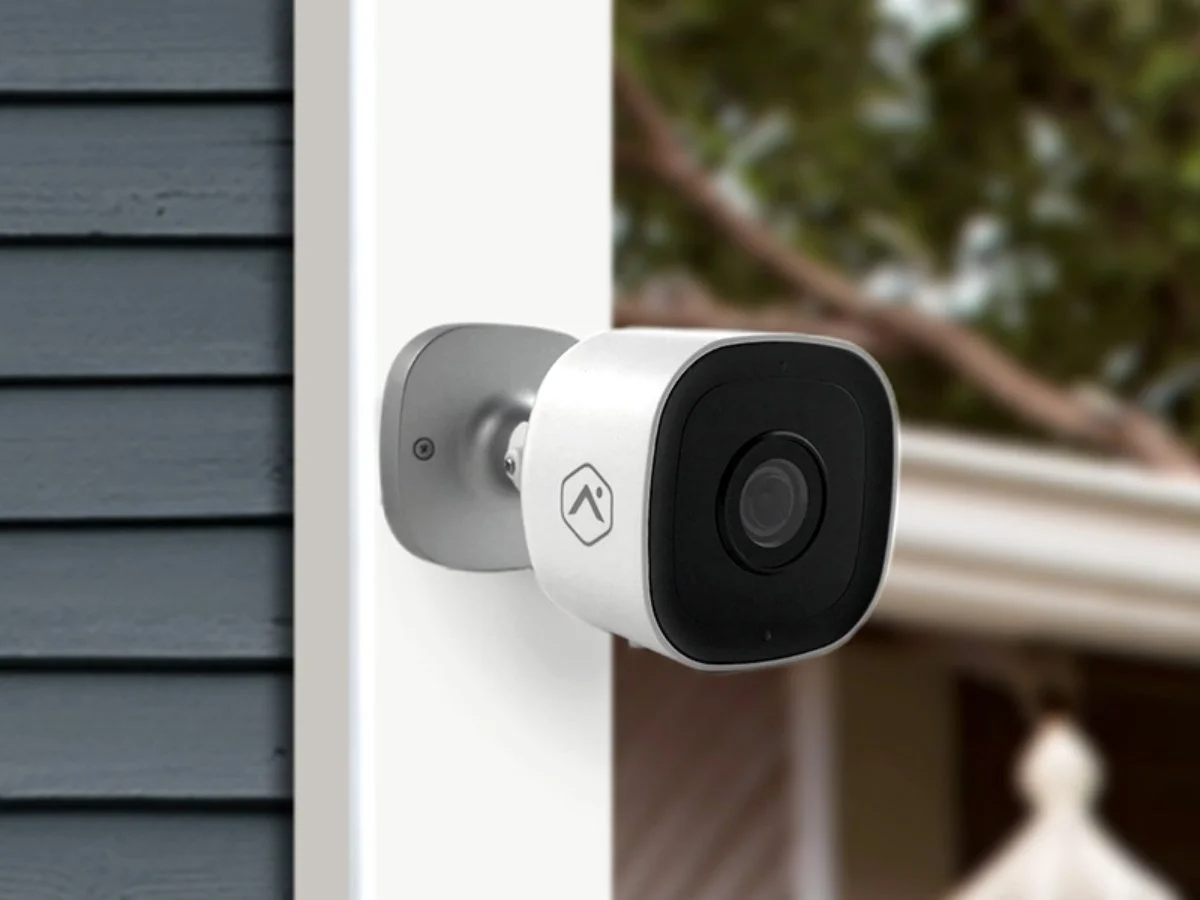
An outdoor camera in Arizona works in conditions that many parts of the country never see. Long stretches of triple-digit afternoons, direct sun on dark surfaces, fine dust that settles on everything and bright stucco walls that bounce light in every direction all affect how well a camera performs and how long it lasts.
None of this means cameras do not work here. It means placement and maintenance matter more. Here is what to think about before you mount a camera, and how to keep it working well once it is up.
Every outdoor camera and video doorbell has an operating temperature range listed by its manufacturer, usually in the specifications or the user manual. That range tells you the conditions the device is designed to work in. It is the single most useful number to check before you buy or install anything outdoors.
Where you mount a camera has a bigger effect on its lifespan and image quality than almost anything else.
Low sun shining directly into a lens washes out the picture, creates lens flare and can hide the very person you want to see. In Arizona, where the sun is bright and the horizon is often wide open, this is a common complaint.
Battery-powered cameras are easy to install and can go almost anywhere, but batteries are sensitive to heat. High temperatures can shorten battery life, reduce how long a charge lasts and prevent charging until the device cools down. Solar panels can help, but they need direct sun while the camera itself ideally stays in the shade.
Wired cameras draw steady power, so they do not depend on a battery that may be stressed by the heat. For main entry points and areas you want watched all the time, a wired camera is often the more reliable choice. Battery cameras still make sense for hard-to-reach spots, especially if they can be mounted in the shade. Our team can help you decide which fits each location as part of a video surveillance system.
Dust is constant here, and monsoon season adds dust storms on top of it. A dusty lens produces hazy daytime footage and can cause bright, blurry spots at night.
Night vision brings its own challenge. Many cameras use infrared light to see in the dark. If a camera is mounted too close to a light-colored stucco wall, a block wall or an eave, that infrared light reflects straight back into the lens and washes out the picture. Mount the camera so nothing sits right next to or in front of the lens, and check the night view after installation to make sure it is clear.
Bright sun can also make your phone or display hard to read when you are checking a camera outdoors. Turning up screen brightness or stepping into shade helps, and enabling motion-triggered clips means you can review footage later rather than squinting at a live feed in the driveway.
A camera system designed for Arizona considers sun exposure, power and the view at every hour of the day. If you are adding a doorbell camera to deter package theft or covering a backyard, placement makes all the difference.
Adapt Home's local technicians plan camera placement around the way the sun hits your specific home, whether you live in Mesa, Tucson or anywhere in between. Get a free quote or call (833) 902-5036 to set up a free consultation.
Talk with a local Adapt Home specialist. The consultation is free.
Many can, but it depends on the device. Check the manufacturer's operating temperature range and mount the camera in shade, such as under an eave, to keep it within that range.
Shaded spots under eaves, patio covers and porch ceilings are usually best. Be cautious with west-facing walls that take the strongest afternoon sun.
Heat can shorten battery life and pause charging, so wired cameras are often more reliable for main entry points. Battery cameras can still work well in shaded, hard-to-wire locations.
Infrared light can reflect off a nearby stucco wall, eave or a dusty lens and wash out the image. Clean the lens and make sure nothing sits right next to or in front of the camera.
Learn more
The number of cameras matters far less than what each one can actually see. Start with the property, then choose the equipment.
Read article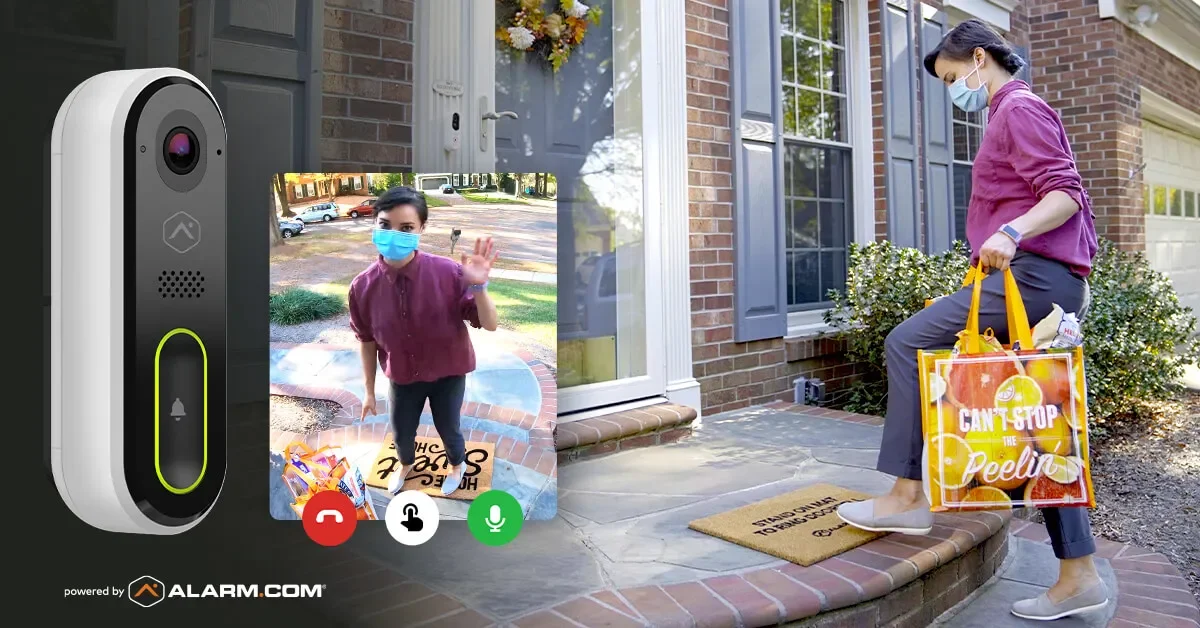
Online orders show up on Arizona porches every day. A doorbell camera, smart delivery habits and a plan for what to do if a package disappears go a long way.
Read articleAn outdoor camera tucked under an eave is a perfect hangout for spiders and the bugs they hunt. A few habits keep the view clear and the alerts meaningful.
Read articleFree consultation
Interested in protecting your home or business? Request a quote and one of our security specialists will reach out to see how we can customize a security system that works for you.
(833) 902-5036Tell us a little about your home or business. It takes about a minute.
Request a quote Call (833) 902-5036