
Someone Is Inside Your House: A Calm Safety Plan for Arizona Families
Nobody wants to picture it, but a plan you have talked through once is far easier to follow under stress. Here is a straightforward approach for Arizona households.
Read articleMost alarm owners have never seen their system do its real job. Knowing the sequence ahead of time means you will know your part when it counts.
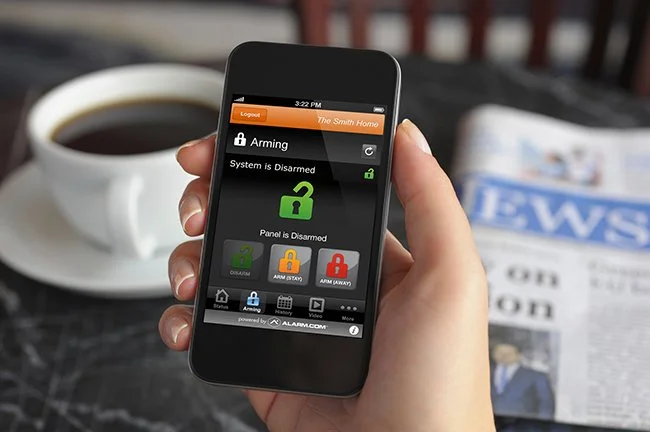
Plenty of people arm and disarm their alarm for years without it ever going off for real. Then one evening the siren starts, the phone rings with an unfamiliar number, and they are not sure what to say. Every monitoring center has its own procedures, but the overall flow is similar across the industry. Here is how a monitored alarm typically plays out, from the moment a sensor trips to the moment help is sent or the alarm is cancelled.
With the system armed, something changes: a door opens, a window sensor separates, a motion detector picks up movement. What happens next depends on the type of sensor.
If the delay runs out without a valid code, the siren starts and the panel sends an alarm signal to the monitoring center. That signal identifies which sensor tripped, so the operator can see whether it was the front door, the patio slider or a hallway motion detector.
How the signal travels matters. A system with a cellular connection can reach the monitoring center even when your internet is out, a real consideration during monsoon season. At about the same moment, you typically receive a notification in your app.
An operator receives the alarm and tries to contact you, usually by phone. Many centers will try more than one number before moving on, and some areas encourage or require that extra verification step to reduce false dispatches.
When the operator reaches you, expect to be asked whether everything is all right and for your verbal passcode. This is a word or phrase chosen when the account was set up, separate from your keypad code. It confirms that the person on the phone is an authorized user and not an intruder who picked it up.
From here, the path splits:
Fire and carbon monoxide alarms are usually handled with more urgency, since the danger to people is immediate. Response from police or fire crews depends on the agency, its workload and local policies. More information tends to help: an alarm backed by several sensors tripping in sequence, or a camera clip showing a person, gives responders a clearer picture than a single sensor on its own.
If you set it off by mistake: enter your code to silence the siren, answer the call and give your passcode. That is all it takes.
If you are away and did not trigger it: check your cameras if you have them, answer the call and tell the operator what you see. Do not go home to check on your own or send a neighbor inside. Let responders handle it.
If you are home and it is real: move everyone to a safe room, stay on the line and wait for help. Our guide on what to do if someone breaks in while you are home covers this in more depth.
Most accidental alarms come from everyday routines, not equipment failures. Some Arizona cities require alarm users to register or hold a permit and may charge for repeated false alarms, so check with your city or police department. The usual causes are easy to fix:
A quick readiness check:
Our alarm installation checklist lists what to confirm during setup. Adapt Home designs customized monitored home security systems for homes and businesses across Arizona, with a professional monitoring center that contacts you and the authorities when an alarm comes in. To learn more, get a free quote or call (833) 902-5036.
Talk with a local Adapt Home specialist. The consultation is free.
Typically an operator sees which sensor tripped and tries to reach you by phone. If you give the correct verbal passcode and confirm a false alarm, it is cancelled. If you need help, give the wrong passcode or cannot be reached, the operator requests a response and calls your emergency contacts.
The keypad code arms and disarms the system at the panel or in the app. The verbal passcode is a separate word or phrase you give the monitoring center by phone to prove you are an authorized user.
Enter your code to silence the siren, answer the call from the monitoring center and give your verbal passcode. Once the operator confirms it was a false alarm, nobody is sent.
It depends on where you live. Some Arizona cities require alarm users to register or hold a permit and may charge for repeated false alarms. Check with your city or local police department.
Learn more
Nobody wants to picture it, but a plan you have talked through once is far easier to follow under stress. Here is a straightforward approach for Arizona households.
Read article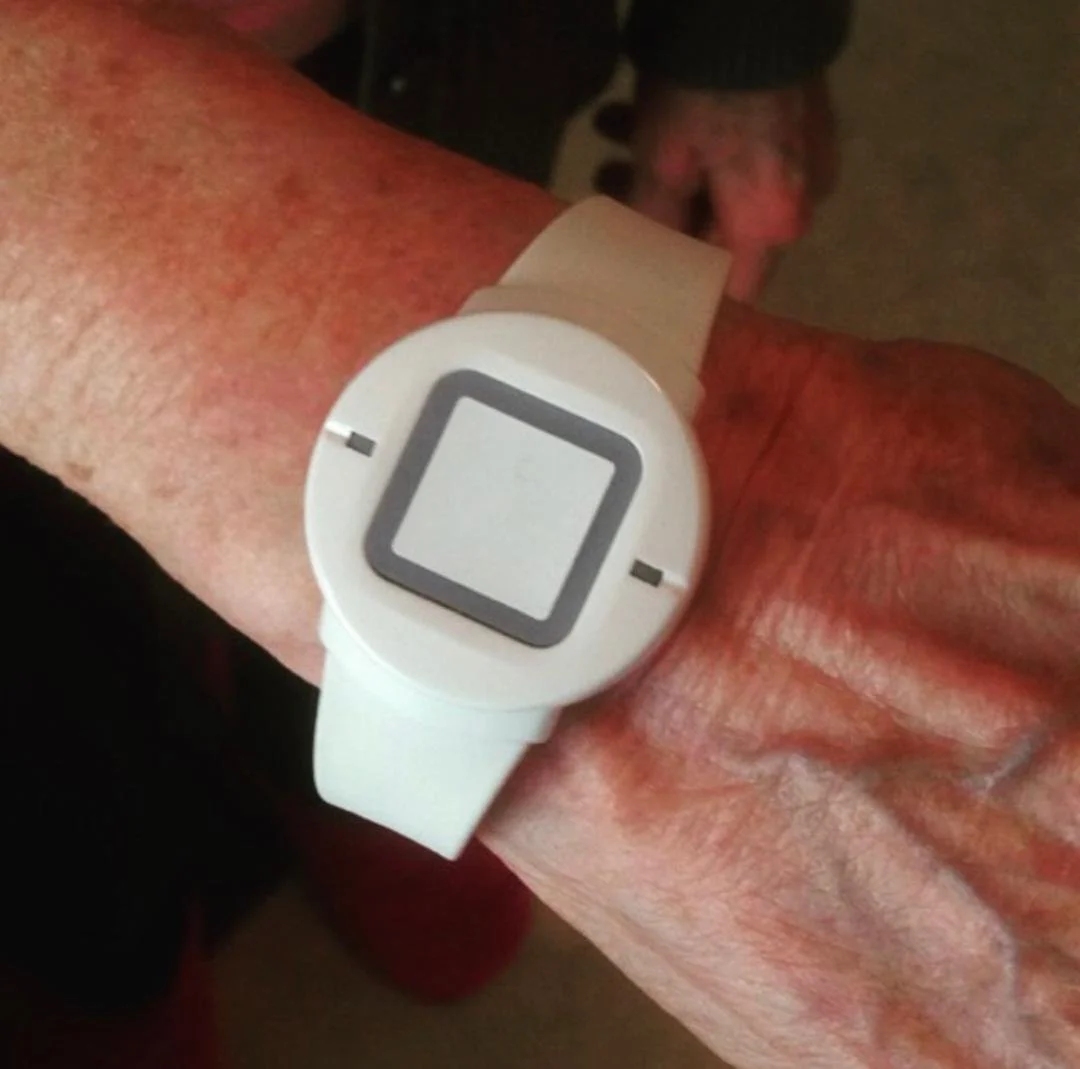
A medical alert pendant puts help one button press away. Here is how these systems work, who they help most and what to ask before choosing one for yourself or a parent.
Read article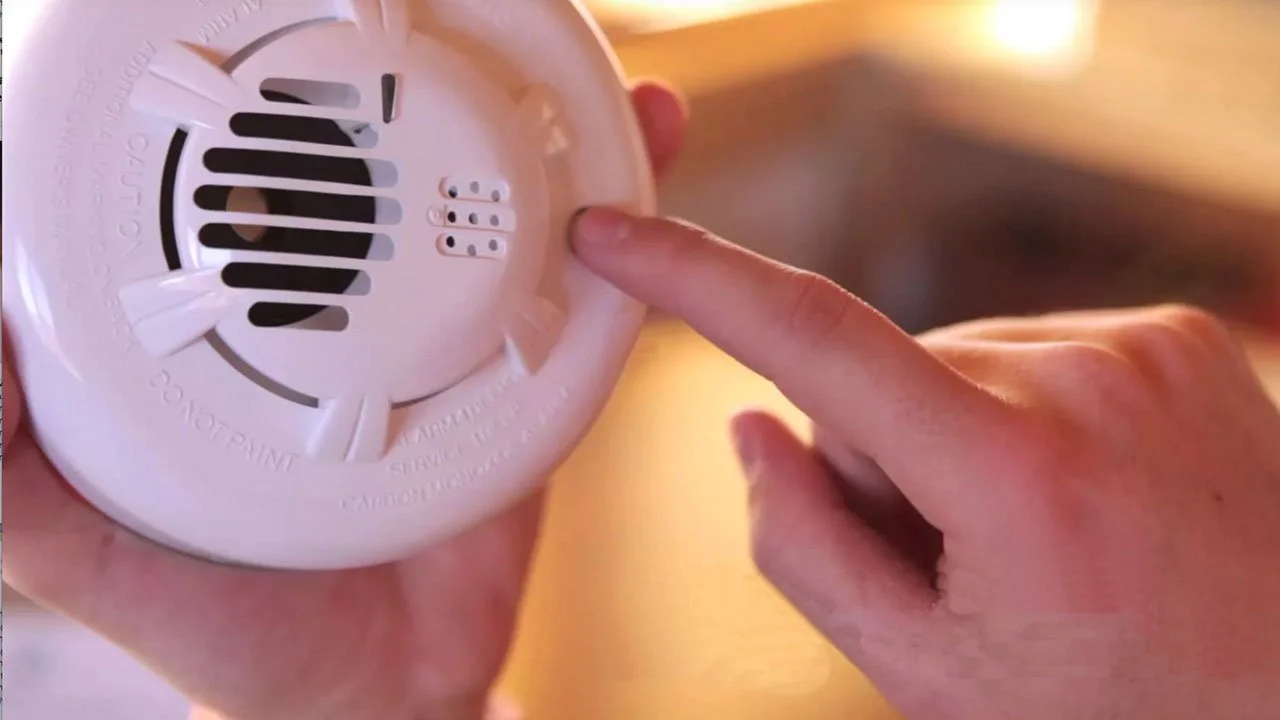
Standard smoke and carbon monoxide alarms are essential, but they depend on someone being home to hear them. Monitoring closes that gap for your family, your pets and your house.
Read articleFree consultation
Interested in protecting your home or business? Request a quote and one of our security specialists will reach out to see how we can customize a security system that works for you.
(833) 902-5036Tell us a little about your home or business. It takes about a minute.
Request a quote Call (833) 902-5036