Someone Is Inside Your House: A Calm Safety Plan for Arizona Families
Nobody wants to picture it, but a plan you have talked through once is far easier to follow under stress. Here is a straightforward approach for Arizona households.
Read articleArizona may be dry outside, but plenty of water runs through every house. Small sensors in the right spots can turn a slow disaster into a quick fix.
Living in the desert, it is easy to assume water damage is someone else's problem. Rain is scarce and most homes have no basement. But water damage in Arizona rarely comes from outside. It comes from the water heater, the air conditioner, the refrigerator and the washing machine, often while nobody is home to notice. A slow drip behind an appliance can soak drywall, swell baseboards and invite mold long before it shows up anywhere you would see it.
Leaks are also a water problem in a state that cares about every gallon. According to the EPA's WaterSense program, household leaks across the country waste large amounts of water each year, much of it from easily fixed sources.
A few local patterns make leaks more likely, or harder to spot:
A leak sensor is a small device that sits on the floor and reacts when water touches its contacts. It works best placed exactly where water would appear first:
Sensors are excellent at catching appliance and fixture leaks, but some problems never reach the floor where a sensor can find them. Watch for these signs as well:
A simple check: turn off every faucet and appliance, then look at your water meter. If it keeps moving, water is going somewhere, and a plumber can help track it down.
Basic leak sensors sound a local beep when they get wet. That helps if someone is home and close enough to hear it, but not if you are at work, asleep at the other end of the house or out of state.
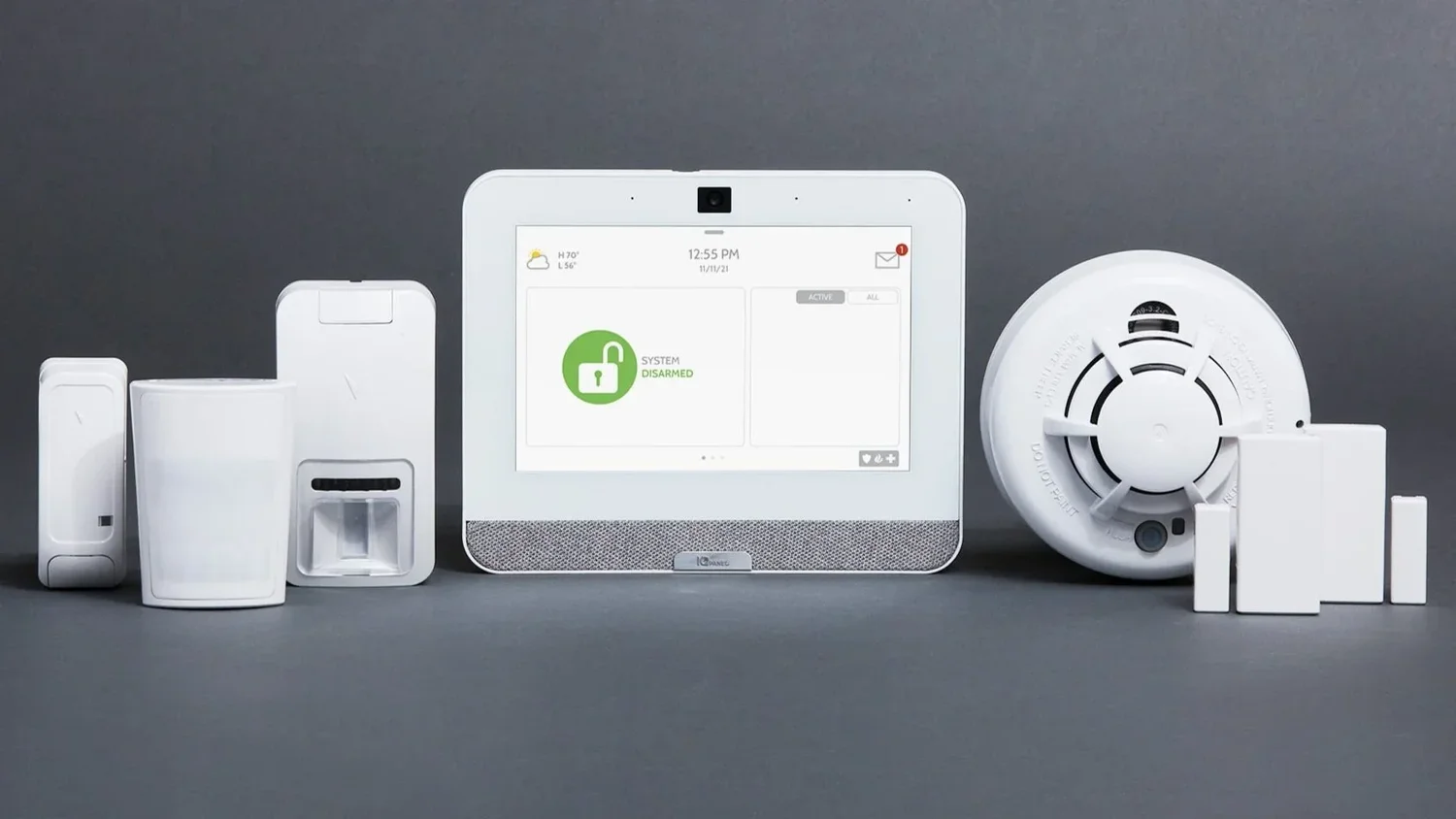
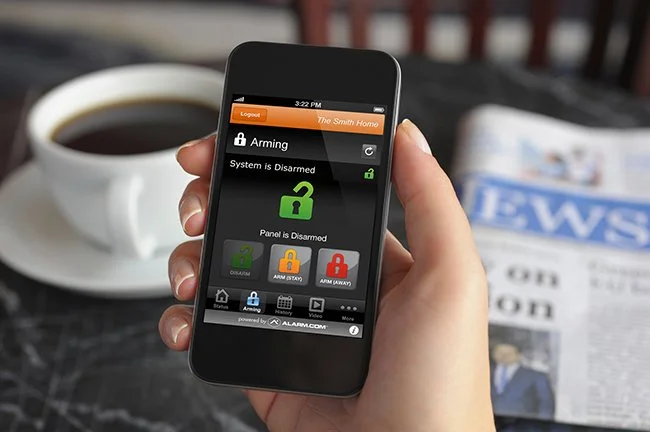
A sensor connected to your home security system sends an alert to your phone wherever you are, and with professional monitoring the alarm can reach a monitoring center as well. That way you, or someone you trust, can shut off the water and call a plumber before a small leak becomes a renovation. Some homeowners also have a plumber install an automatic shutoff valve that closes the main line when a leak is detected.
Unoccupied homes are where leak sensors earn their keep. If you spend summers out of state, a leak that starts in June might not be found until October without an alert. Our snowbird guide covers other steps for long absences, and our pre-vacation checklist handles shorter trips. Closing the washing machine valves before you go is a quick habit worth adopting.
Freezing pipes are rarely a serious concern in most of the Valley, but homes in Flagstaff, Prescott and other higher-elevation areas do see hard freezes. In those areas, sensors near exposed plumbing and an alert for low indoor temperatures add useful protection.
It is also worth asking your insurer whether water leak detection affects your premium. Some insurers recognize it, and terms vary.
Adapt Home is proudly Arizona-based, with local technicians who know how homes here are built, from garage water heaters to attic air handlers. A security specialist can walk through your home and talk about whether water sensors fit into a customized system for you. To get started, get a free quote or call (833) 902-5036.
Talk with a local Adapt Home specialist. The consultation is free.
Start with the water heater pan, under the AC air handler or condensate line, behind the refrigerator, under the washing machine, under the kitchen sink and dishwasher, and next to any water softener or reverse osmosis system.
Usually not directly, because a slab leak stays under the concrete. Warning signs include warm spots on the floor, the sound of running water and unexplained increases in your water bill. A plumber can confirm it.
When it detects water, a sensor tied into your security system sends a notification to your phone, and with professional monitoring the alert can also reach a monitoring center so someone can act quickly.
That is when they are most useful. Without an alert, a leak that starts early in the summer could run for months. Sensors near the water heater, AC unit and appliances give you a chance to respond quickly.
Learn more
Nobody wants to picture it, but a plan you have talked through once is far easier to follow under stress. Here is a straightforward approach for Arizona households.
Read article
A medical alert pendant puts help one button press away. Here is how these systems work, who they help most and what to ask before choosing one for yourself or a parent.
Read article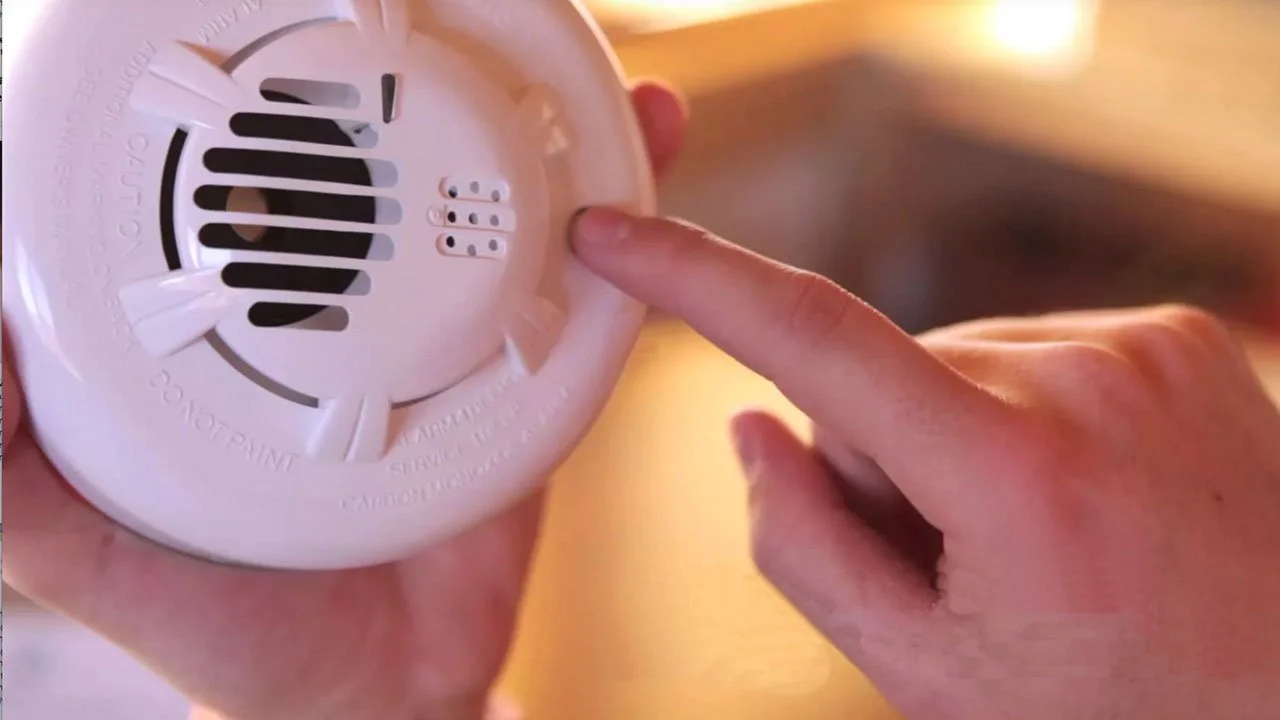
Standard smoke and carbon monoxide alarms are essential, but they depend on someone being home to hear them. Monitoring closes that gap for your family, your pets and your house.
Read articleFree consultation
Interested in protecting your home or business? Request a quote and one of our security specialists will reach out to see how we can customize a security system that works for you.
(833) 902-5036Tell us a little about your home or business. It takes about a minute.
Request a quote Call (833) 902-5036